Imagine an organisation planning to build a skills acquisition centre in a community. The budget is ready, the building design looks impressive, and the project team is confident that the initiative will transform lives.
But there is one important thing nobody has done: ask the people in the community what they actually need.
After the centre is completed, a problem emerges. The training programmes do not match the skills residents want to learn. The location is inconvenient for many beneficiaries, and some of the people the project was designed to support cannot participate.
The organisation invested money, time, and effort, but the impact fell short of expectations.
The problem was not a lack of good intentions. It was a lack of community involvement.
Development Should Begin With Listening
One of the biggest mistakes organisations can make is assuming they already understand the needs of the people they want to help.
A community may need better access to education, but its residents may consider clean water or healthcare a more urgent priority. Women may need financial support, but they may also need business training, market access, and practical assistance.
These realities are not always visible from an office or a project proposal.
People who live in a community understand its challenges, opportunities, culture, and everyday experiences. Their voices can provide valuable information that helps organisations design more relevant and realistic interventions.
What Happens When Communities Are Left Out?
When development projects are designed without meaningful community participation, several challenges can arise:
- Wrong priorities: Projects may address problems that are not the community’s most urgent needs.
- Low participation: People may show little interest in initiatives that do not reflect their realities.
- Limited ownership: Communities may see projects as something outsiders brought to them rather than something they helped create.
- Poor sustainability: Once external support ends, projects may struggle to continue because local people were not adequately involved.
- Wasted resources: Money and time may be spent on activities that deliver little meaningful impact.
A project should not simply look successful on paper. It should make a real difference in people’s lives.
Five Ways to Make Community Participation Meaningful
1. Listen before designing the project.
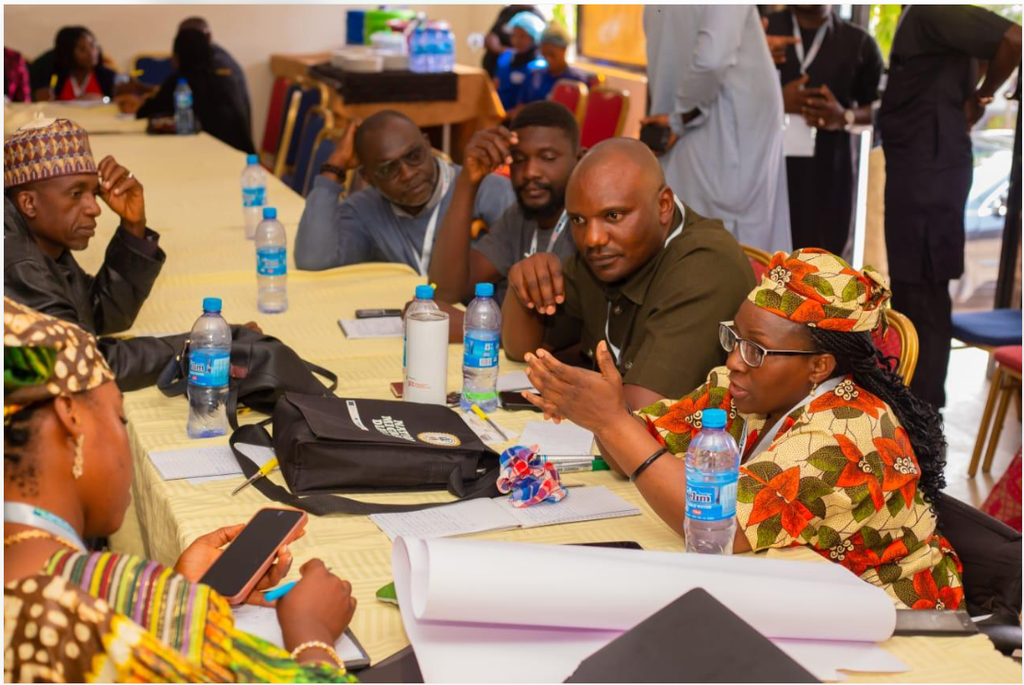
Organise community meetings, interviews, and consultations. Give residents the opportunity to explain their challenges and suggest practical solutions.
2. Include different voices.
Do not rely only on community leaders. Women, young people, persons with disabilities, small business owners, and other groups should have opportunities to contribute.
3. Understand the local environment.
Consider the community’s culture, economic activities, available resources, and everyday realities. A successful intervention must fit the environment in which it will operate.
4. Involve residents in implementation.
Community members should not only be beneficiaries. Where appropriate, they can participate in planning, monitoring, decision-making, and project activities.
5. Keep listening throughout the project.
Community needs can change. Regular feedback helps organisations identify challenges, improve their approach, and measure whether the project is achieving its objectives.
From Beneficiaries to Partners
There is an important difference between doing something for a community and working with a community.
When people are treated only as beneficiaries, they may receive support without having much influence over how that support is delivered.
But when they become active partners, they contribute ideas, take responsibility, identify challenges, and help protect the results of the intervention.
This approach builds trust and encourages a stronger sense of ownership.
It also helps development organisations create programmes that are more inclusive, practical, and sustainable.
Better Development Begins With Better Understanding
At GloryWings Consulting, we recognise the importance of understanding people, organisations, and the environments in which development initiatives operate.
Through research, planning, gender studies, project evaluation, organisational strengthening, and partnerships development, organisations can gain better insights into the challenges they seek to address.
Because meaningful development is not measured only by the number of projects completed, buildings constructed, or people registered as beneficiaries.
It is measured by the positive and lasting changes those projects create.
Before investing in a community, invest time in understanding it. Before deciding what people need, give them the opportunity to tell you.
The most successful development projects do not begin with an organisation asking, “What can we bring to this community?”
They begin with a better question:
“What can we achieve together?”
